
What Is Bobath Therapy? Neurological Physiotherapy Explained
The Bobath concept helps people after a stroke, with MS or Parkinson’s, and children to relearn movement. Here is how it works.
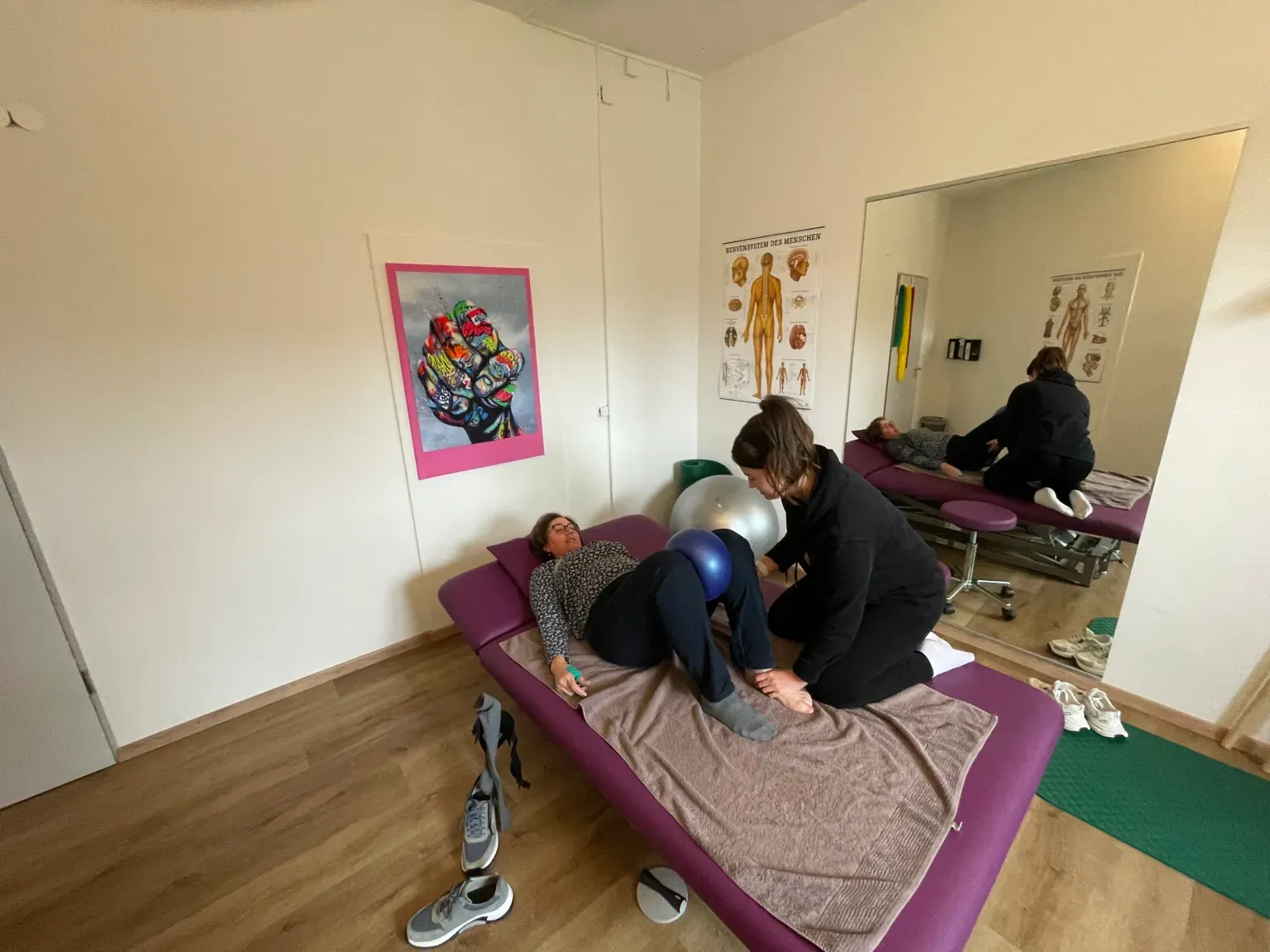
The Bobath concept is one of the most important treatment approaches in neurological physiotherapy and occupational therapy. It was developed in the 1940s by physiotherapist Berta Bobath and neurologist Karel Bobath, and has been refined ever since. The core idea: the nervous system can learn, even after damage. This ability is called neuroplasticity.
What is Bobath about?
After a stroke or with a neurological condition, certain movements become difficult or are lost. In the Bobath concept we don’t train isolated muscles but everyday movements: standing up, walking, grasping, getting dressed. This helps the nervous system rebuild meaningful movement patterns.
Who is Bobath therapy for?
Bobath suits people of any age with disorders of the central nervous system, for example:
- after a stroke
- with multiple sclerosis (MS)
- with Parkinson’s disease
- after a traumatic brain injury
- for children with developmental delays or movement disorders
It has proven especially valuable in pediatric therapy, where we guide children step by step through the milestones of motor development.
What does a session look like?
Every course of therapy starts with a careful assessment: where are you now, which movements are hard, what are your goals? Building on that, we develop an individual treatment plan. No two Bobath sessions are alike – the treatment follows your day, your condition and your progress.
Typical elements include:
- targeted mobilization and positioning
- practicing movement transitions, such as sitting to standing
- gait and balance training
- training everyday activities
The goal isn’t the perfect exercise, but more independence in everyday life.
The 24-hour concept
A hallmark of the Bobath concept is the so-called 24-hour concept: therapy doesn’t end at the practice door. How you sit, lie, get dressed or get out of bed all influence your recovery. That’s why we actively involve relatives and show you the right handling for home.
Conclusion
Bobath therapy is not a rigid exercise program but an individual path back to an independent everyday life. How fast and how far that path leads differs for everyone – together we get the best possible result for you.
Do you have questions about neurological therapy or would you like to book an appointment? Give us a call or send us a message.
This article is general information and does not replace medical advice, diagnosis or treatment.